
Discover how a Functional Medicine doctor helps address digestive issues at the root: healing gut, balancing microbiome, and restoring health naturally.
Digestive discomfort is common. Bloating, gas, acid reflux, constipation, diarrhea, or persistent stomach pain, many of us have been there. But what if these symptoms are only the tip of the iceberg?
A conventional doctor might treat the discomfort with antacids, laxatives, or diet tweaks. That helps temporarily, but often the root cause remains unaddressed, making symptoms return. This is where a Functional Medicine Doctor comes in.
Functional medicine seeks to understand why the gut misbehaves. Instead of simply suppressing symptoms, it looks deeper: diet, lifestyle, microbiome balance, immune function, and even stress. By uncovering and resolving root causes, functional medicine offers a path to longer-lasting gut health.
Functional medicine is an approach to health that prioritizes personalization, root-cause resolution, and long-term wellness over quick fixes. Rather than viewing a digestive complaint as a standalone issue, functional medicine sees it in the context of the whole body from lifestyle, history, environment, microbiome, and underlying imbalances.
When it comes to digestion and gut health, this holistic perspective is powerful. The gut is not just a “food tube.” It influences and is influenced by immunity, metabolism, mood, and even the brain. The gut microbiome (the trillions of microbes living in your intestines) plays a central role in this interconnection.
Problems like microbial imbalance (dysbiosis), impaired gut barrier function (“leaky gut”), poor digestion, food sensitivities, chronic inflammation, even stress and lifestyle can all contribute to digestive issues. Functional medicine aims to identify and address each factor in a personalized way.
For people searching for "Functional Medicine Michigan" or similar, this approach offers hope: not just suppression of symptoms, but a path to restore gut function and thereby overall health.
Learn more about best solution for digestive issues
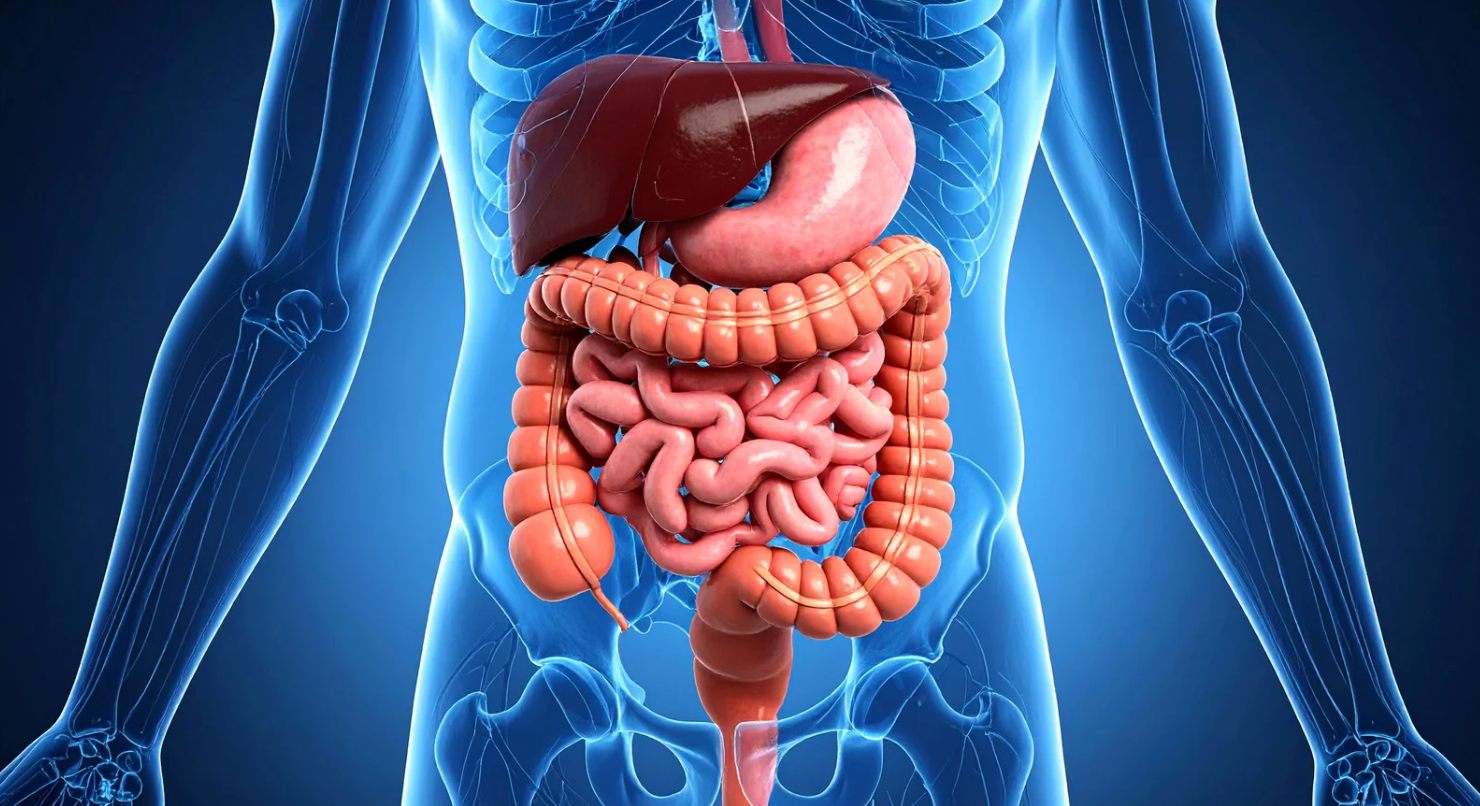
When you consult a functional medicine doctor for digestive problems, expect an approach that’s different from a quick General Practitioner visit. Typically, it involves:
This isn’t about covering up symptoms, it’s about restoring balance so your gut (and by extension, your entire body) can function properly again.
Read more about What Is Functional Medicine Testing & How to Find It in Michigan
Many functional medicine providers use what’s commonly known as the 5R Protocol, a structured, step-by-step roadmap for gut healing. Here’s how it works:
First, eliminate anything that may irritate the gut or disrupt its balance: inflammatory foods (processed foods, excess sugar, gluten, dairy), environmental toxins, pathogens (bacteria, yeast, parasites), and stressors. This may involve doing an elimination diet, avoiding known triggers, and treating any underlying gut infections. Learn more about inflammation here.
Next, restore what your digestive system needs to function well, particularly digestive enzymes, stomach acid (if deficient), bile salts, or other agents needed for digestion and absorption. This helps ensure nutrients are properly processed and absorbed.
Reintroduce beneficial bacteria and support a healthy microbiome, through probiotics, prebiotics, and fermented foods. This helps rebuild microbial balance, essential for digestion, immune health, and even mental health via the gut-brain axis.
Support gut lining repair with nutrients and compounds that help heal and seal the intestinal barrier, for example, amino acids (like glutamine), vitamins, minerals, omega-3s, and other gut-healing substances. A healthy gut lining reduces “leaky gut” and helps prevent chronic inflammation.
Lastly, emphasize lifestyle stress management, quality sleep, proper hydration, regular movement, mindfulness, as these factors heavily influence gut health, immune function, and overall wellness. Gut health is interconnected with how you live.
This 5R approach is exactly what a dedicated Functional Medicine Doctor will use, tailoring each step to the individual’s needs, tests, symptoms, and lifestyle.
You may think gut issues are “just digestive.” But functional medicine shows us the gut is deeply linked to many other aspects of health — sometimes in surprising ways:
In short: healing your gut isn’t just about stopping bloating. It’s about nurturing your body’s foundation.
Functional medicine and particularly gut-focused functional medicine can help people who experience:
For someone seeking specialized care, this approach can offer comprehensive support tuned to your body’s unique needs.
Let’s walk through a plausible scenario:
With this method, many people not only find relief from digestive symptoms but also experience improvements in energy, mood, immunity, and overall well-being.
Read more about What Is Functional Medicine Testing & How to Find It in Michigan
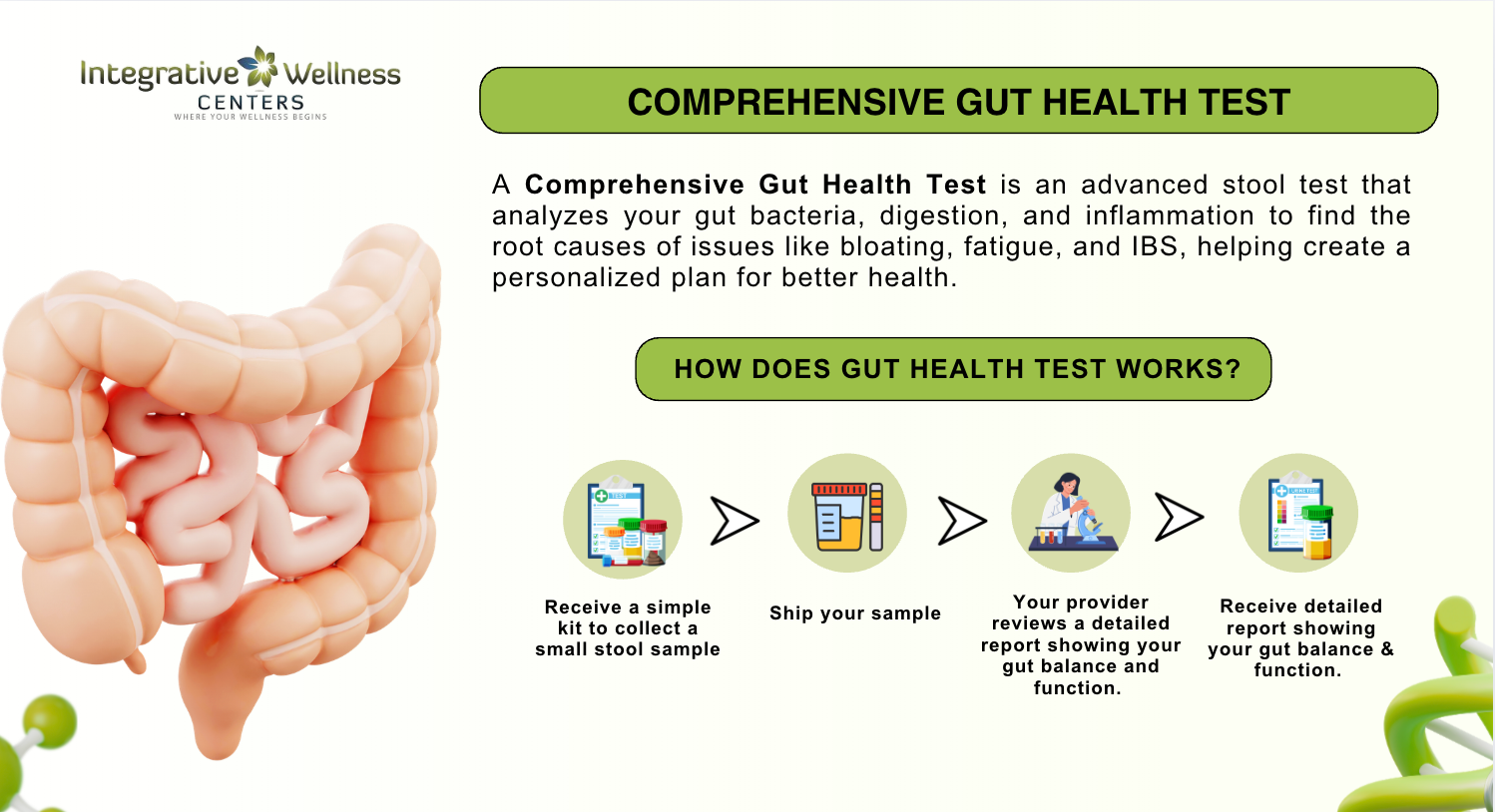
A Comprehensive Gut Health Test is one of the most powerful tools a Functional Medicine Doctor uses to identify the root causes of digestive issues. Instead of guessing, this test gives a clear picture of what’s happening inside your gut. It typically evaluates:
Digestive symptoms often look similar on the surface, but the underlying causes differ for everyone. A gut health test helps your functional medicine provider create a precise, personalized treatment plan, targeting what your gut needs instead of using a one-size-fits-all approach.
This is how functional medicine moves beyond symptom relief to true root-cause healing.
You might want to consider consulting a functional medicine doctor if you experience:
If you live in Michigan (or nearby) and are searching for a “Functional Medicine Michigan” provider, a functional medicine practice like Integrative Wellness Centers may be the right fit.
Functional medicine’s focus on gut health is not just anecdotal, increasing research supports the link between gut microbiome balance, intestinal integrity, and overall health. The gut microbiome influences immunity, inflammation, metabolism, and even brain and mental health.
Studies of integrative medicine approaches combining diet, probiotics, mind-body interventions, and lifestyle changes have shown promising results for common GI conditions such as acid reflux, irritable bowel syndrome (IBS), inflammatory bowel disease (IBD), and non-alcoholic fatty liver disease.
Although more research is always welcome, the existing evidence underscores that gut health is central to whole-body wellness and that functional medicine offers a viable framework for lasting improvement.
Digestive issues are often more than a passing annoyance; they can be a signal that your body’s foundation needs healing. With a conventional approach, symptoms may come and go, but the underlying imbalance remains.
A Functional Medicine Doctor offers a different path, one that seeks out root causes, treats the whole body, and builds long-term resilience. Through comprehensive evaluation, personalized care, and structured protocols like the 5R, functional medicine provides a clear roadmap to restore gut health and improve overall wellness.
If you’re ready to move beyond temporary fixes and truly heal your gut, consider connecting with a trusted functional medicine clinic. Your body may thank you with renewed energy, balanced digestion, and improved well-being.
Here are some of the most commonly asked questions about functional medicine, gut healing, and digestive issues — and clear answers based on current understanding.
1. What is the root cause of digestive issues?
Digestive problems often stem from a combination of factors: imbalanced gut microbiome (dysbiosis), intestinal permeability (leaky gut), poor diet (processed foods, low fiber), stress, nutrient deficiencies, and lifestyle factors like poor sleep or inactivity. Functional medicine aims to uncover which of these factors — or combination — is at play for each individual.
2. What are the 5 R’s of functional medicine gut healing?
They are: Remove (triggers), Replace (digestive support), Reinoculate (probiotics/prebiotics), Repair (gut lining), and Rebalance (lifestyle, stress, habits).
3. How can I permanently solve my digestion problem?
Permanent improvement often comes from addressing root causes: balancing the microbiome, healing the gut lining, restoring proper digestion and absorption, and supporting healthy lifestyle habits. Partnering with a functional medicine provider ensures a tailored, comprehensive plan for long-term gut health.
4. How to naturally fix digestive issues?
Natural healing typically involves a gut-healing diet (whole foods, high fiber, fermented foods, low processed foods), probiotics and prebiotics, digestive support (enzymes, bile salts), gut-barrier repair nutrients, stress management, quality sleep, and regular physical activity.
5. What are the signs of an unhealthy gut?
Common signs include bloating, gas, irregular bowel movements, acid reflux, food sensitivities, fatigue, skin issues, brain fog, mood swings, and frequent illness — because the gut influences immune, metabolic, and even mental health.
6. What causes gut inflammation?
Causes may include poor diet (processed foods, high sugar, inflammatory foods), dysbiosis (microbial imbalance), infections, toxins, chronic stress, lack of sleep, and nutrient deficiencies.
7. What heals the gut the fastest?
While “fastest” varies per person, a structured protocol — like the 5R approach — combined with a consistent gut-friendly diet, probiotic/prebiotic support, gut-repair nutrients, and healthy lifestyle habits offers the most effective route to healing.
8. Can stress or emotion affect gut health?
Yes. The connection between gut and brain, the gut-brain axis means emotional stress, anxiety, or chronic psychological strain can affect digestion, gut motility, microbiome balance, and barrier integrity.
9. Why do I have digestive issues even if I eat “healthy”?
“Healthy” is relative. Sometimes foods perceived as healthy may still be inflammatory or problematic for you (food sensitivities, high FODMAP content, not enough fiber, not enough probiotic/prebiotic diversity). Also, factors like stress, poor sleep, toxin exposure, or microbial imbalance can overshadow a “healthy” diet. Functional medicine helps find which factors really matter for you.
10. How long does gut healing take?
It depends on the individual: severity of imbalance, lifestyle, consistency, and underlying causes. Some people see relief within weeks; others need several months to fully restore gut health and achieve long-term stability. The goal is not a “quick fix,” but sustainable healing.

Take the online digestive evaluation to instantly discover what systems of your body are the cause of your health issues.
Online Digestive EvaluationTake the TestOnline Female Hormone EvaluationOnline Male Hormone Evaluation


